
Key Takeaways
- API connectors act as bridges between software systems, automating data exchange and eliminating manual data entry between ERP and accounting platforms.
- Key benefits include improved efficiency, reduced errors, real-time data access, scalability, and streamlined workflows across systems.
- Main challenges include setup complexity, ongoing maintenance as APIs evolve, security requirements, and compatibility issues between systems.
- Best practices include starting with small integrations, thorough testing, regular monitoring, and prioritizing data security.
What Are API Connectors?
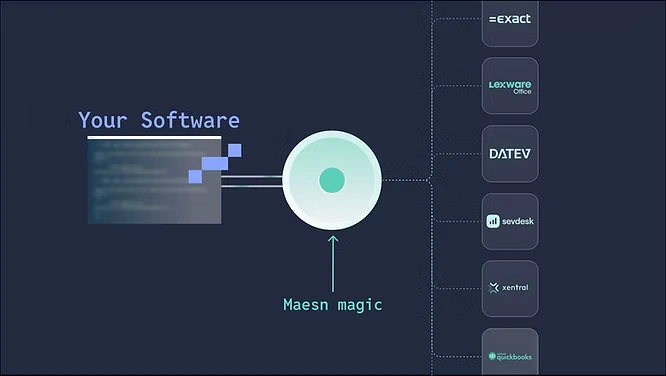
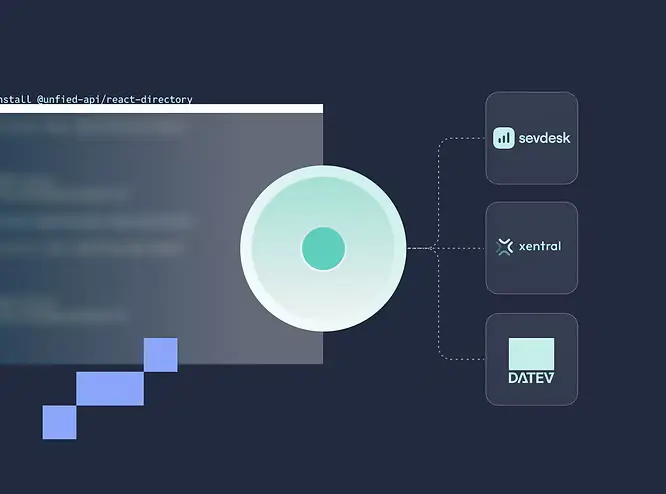
Simply put, API connectors are like the bridges between different software applications. APIs (Application Programming Interfaces) allow two systems to communicate with each other, sharing data and triggering actions without the need for manual input.
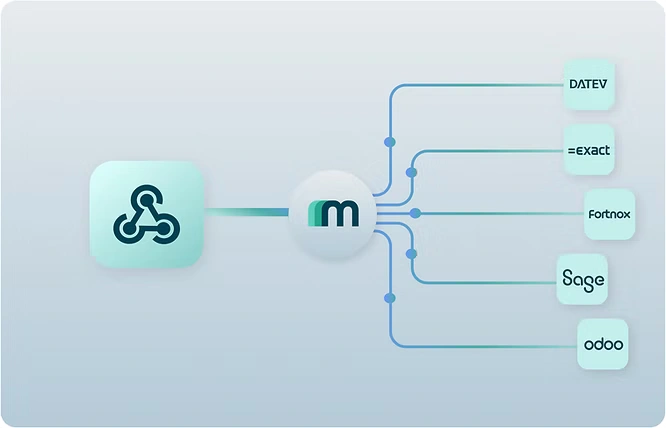
An API connector takes it a step further by managing this interaction, ensuring the correct data flows between the systems as needed.
For example, in ERP and accounting, an API connector might ensure that sales data from an e-commerce platform is automatically reflected in the accounting software. This removes the need for manual data entry, reducing errors and saving time. Pretty cool, right?
The Benefits of API Connectors for ERP and Accounting
Integrating systems through API connectors has a ton of advantages, especially for ERP and accounting workflows. Let’s look at some of the top benefits:
1. Improved Efficiency
With an API connector, the days of double data entry are over. Systems can sync in real time, which saves your team hours of manual work. Whether it's syncing invoice data from an ERP system into your accounting platform or pulling expense reports into your financial system, these connectors handle the heavy lifting.
2. Accuracy and Reduced Errors
Manual data entry is prone to errors, especially when dealing with complex financial or inventory data. API connectors automate these tasks, reducing the chance of costly mistakes. For businesses relying on accurate accounting and inventory data, this can be a game-changer.
3. Real-Time Data
Ever been frustrated by outdated information? API connectors ensure that data moves between your ERP and accounting systems in real-time, meaning you always have the most current info at your fingertips. For example, you can have a real-time view of your financials, inventory levels, or customer orders, helping you make informed decisions faster.
4. Scalability
As your business grows, so does the amount of data you need to handle. API connectors make scaling much easier because they can adapt to handle increasing data loads. You won’t need to worry about bottlenecks or system overloads as your operations expand.
5. Streamlined Workflows
API connectors help you streamline workflows between systems, reducing the need for switching between different platforms. This is particularly helpful in accounting, where you might need to pull data from multiple sources. Instead of jumping between software, you can set up automated workflows, allowing everything to happen seamlessly in the background.
Challenges of Implementing API Connectors
While API connectors offer numerous advantages, they’re not without their challenges. Let’s dig into a few hurdles you might face when integrating API connectors into your ERP and accounting systems.
1. Complexity of Setup
Setting up API connectors requires a good understanding of both systems involved and how they communicate. You’ll likely need a developer or someone with technical expertise to ensure everything is configured correctly.
2. Ongoing Maintenance
APIs are constantly evolving. When one of the systems you're integrating updates its API, you may need to make adjustments to your connector. This requires ongoing monitoring and maintenance to ensure your connections stay intact.
3. Security Concerns
With great data flow comes great responsibility! When dealing with sensitive accounting or ERP data, ensuring the security of your API connectors is crucial. This means regularly updating security protocols and ensuring encryption where necessary.
4. Compatibility Issues
Not all APIs are created equal. Some systems might have limitations or might not play well with others.
Ensuring compatibility between your ERP and accounting software is essential, otherwise, you could face data inconsistencies or incomplete integrations.
Best Practices for Using API Connectors in ERP and Accounting
Want to make sure you’re getting the most out of your API connectors? Here are some best practices to keep in mind:
1. Thoroughly Research API Documentation
Before diving into the setup, make sure you and your team thoroughly understand the API documentation for both systems. The better you understand what’s possible with each API, the more effectively you can set up the connector.
2. Start with Small Integrations
Don’t try to automate everything at once. Start with a few simple integrations—such as syncing sales data with accounting—and ensure they work smoothly before expanding to more complex connections.
3. Test, Test, Test!
Testing is essential. Make sure to test your API connector with real-world data to ensure it’s pulling and syncing correctly. Keep an eye out for any data lags, errors, or inconsistencies.
4. Regular Monitoring and Maintenance
APIs change, and when they do, it’s important to stay ahead of the curve. Regularly monitor your connections and stay updated on any API changes from the software providers. This will help prevent disruptions and ensure everything continues running smoothly.
5. Prioritize Security
Data security should be a top concern when dealing with financial and ERP information. Implement encryption, two-factor authentication, and regularly review access permissions to keep your data safe.
Use Case: API Connectors in ERP and Accounting Systems
Let’s say you run a growing business that uses an ERP system to manage inventory and accounting software to handle finances. Without an API connector, your accounting team has to manually input data like sales orders, purchase orders, and expenses into the system, wasting hours on repetitive tasks.
By integrating an API connector between the ERP and accounting system, sales orders generated in the ERP automatically sync with the accounting software, updating inventory levels and financial records in real time. This not only saves time but also ensures accuracy, providing a single source of truth for both departments.
Moreover, if you scale your business and add more products or services, the API connector will automatically handle the increased volume of transactions, eliminating the need for additional manual entry as you grow.
Wrapping It All Up
API connectors are essential tools for improving efficiency, accuracy, and scalability in ERP and accounting systems. By automating data flow, they reduce manual workloads, improve real-time decision-making, and ensure that different parts of your business work together smoothly. However, like any technology, they come with their own set of challenges, from setup complexity to ongoing maintenance.
By following best practices—starting small, thoroughly testing, and prioritizing security—you can ensure that your API connectors work seamlessly and deliver the maximum value to your business.
So, whether you’re looking to streamline accounting processes or boost ERP data flow, API connectors can be your go-to solution for smoother business operations.
About the author
Themo is CEO and Co-Founder of Maesn. With years in strategy consulting — spanning requirements engineering for complex software landscapes, ERP and accounting software selections, and end-to-end integration projects — he holds a Dr.-Ing. with a focus on ERP-to-SaaS transformation. He co-founded Maesn to make system integration effortless.

Co-Founder
.webp)